


PRAIRIE DOGS
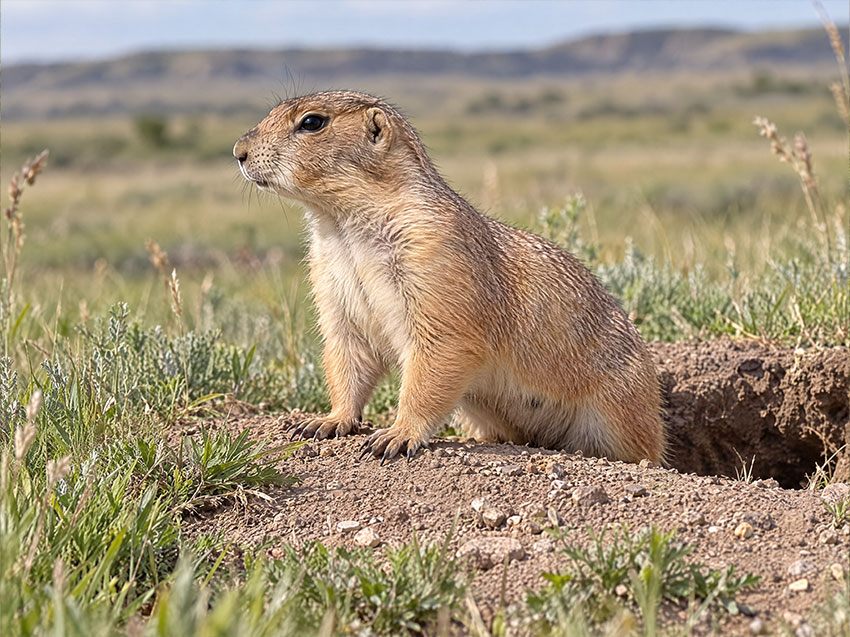
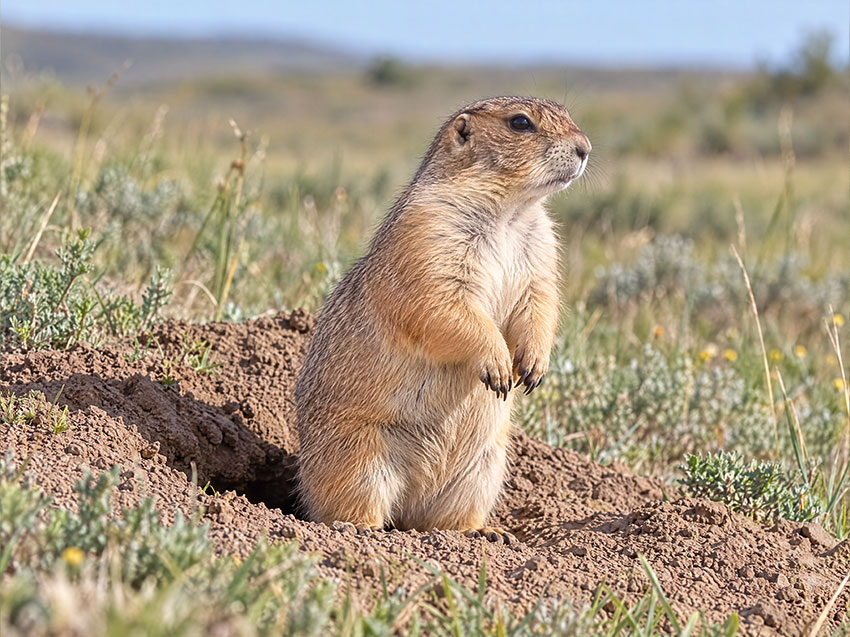
Prairie Dogs are highly social burrowing rodents native to North America. They live together in colonies called towns, where complex underground burrows provide places to sleep, raise young, escape predators and shelter from extreme weather.
 Learn how to interact
ABOUT PRAIRIE DOGS
Prairie Dogs belong to the genus Cynomys and are members of the squirrel family. There are five living prairie dog species in North America. Despite their name, they are rodents rather than dogs; the name comes from their grassland habitat and their bark-like alarm calls.
Prairie Dogs are famous for building underground colonies known as towns. Their burrows contain tunnels and specialized chambers used for sleeping, nesting, raising young and escaping predators. Raised mounds around burrow entrances also provide excellent lookout points.
Communication is extremely important in prairie dog society. A prairie dog standing watch can give alarm calls when it detects a predator, causing nearby animals to stop feeding, scan the area and retreat toward their burrows. Different calls and body movements are also used during social interactions.
Prairie Dogs feed mainly on grasses and other leafy plants. Their constant grazing and digging reshape the surrounding prairie. By trimming vegetation, moving soil and constructing burrows, prairie dog colonies create habitat that benefits many other animals.
Care & Conservation
Prairie Dogs are considered important ecosystem engineers and keystone animals because their colonies affect so many other grassland species. Layton Aquarium notes that black-footed ferrets and Burrowing Owls rely heavily on prairie dog colonies and burrows. Across North America, prairie dogs have been affected by grassland conversion, habitat fragmentation, control programs and sylvatic plague.
Mon-Sat 11AM-7PM Sun 12PM-6PM

PERSON!
Visit Layton Aquarium & Wildlife Encounters and discover Prairie Dogs up close.