


COMMON BOA
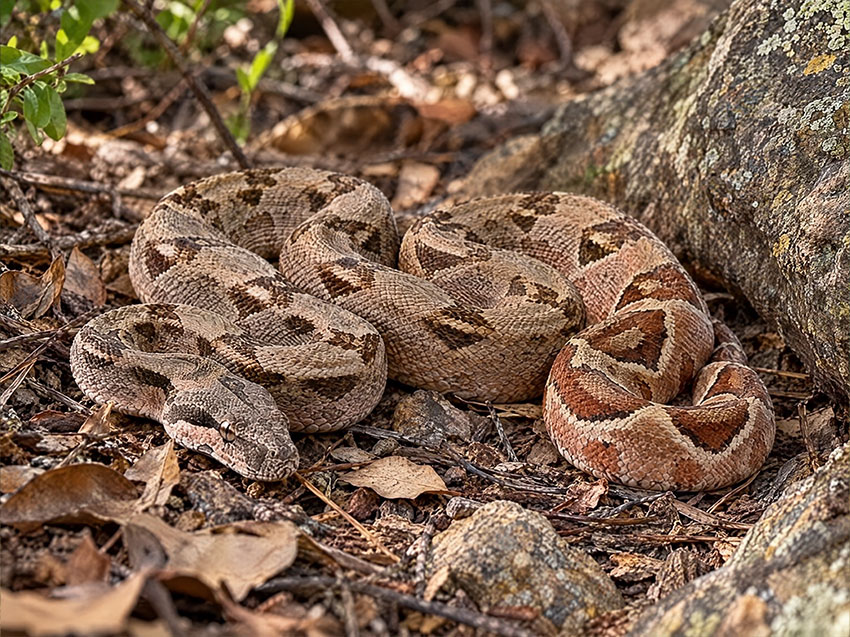
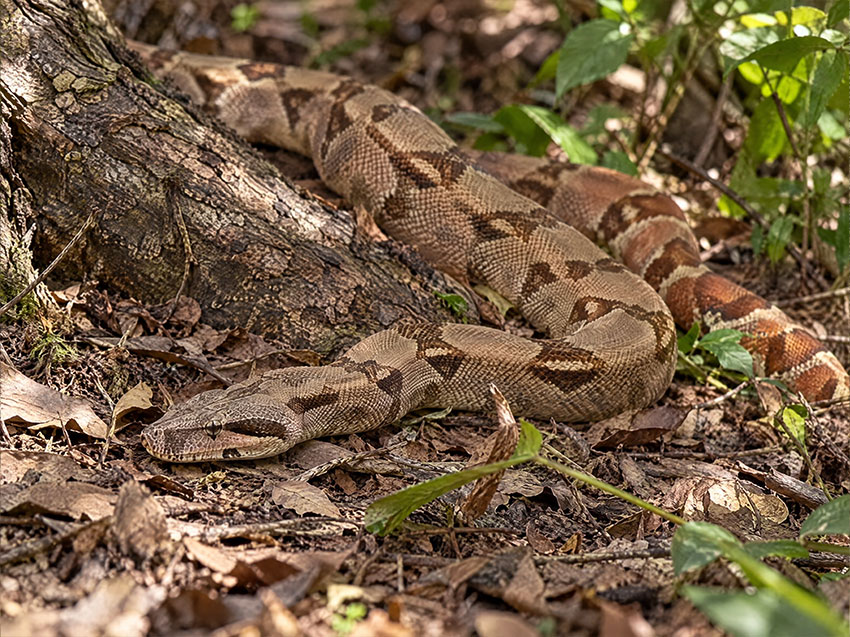
Common Boas are large, muscular snakes known for their distinctive saddle-shaped markings and powerful constricting behavior. Instead of using venom, boas capture prey with their mouths and wrap their bodies around it before swallowing the meal whole.
 Learn how to interact
ABOUT COMMON BOAS
Common Boas belong to the genus Boa, a group of large nonvenomous snakes native to tropical regions of the Americas. Depending on the population, boas can inhabit tropical forests, dry woodland, savannas, scrublands and areas near rivers and streams.
Layton Aquarium notes that Common Boas typically reach about 4 to 8 feet long, although exceptional animals may reach around 12 feet. Their bodies are muscular and covered with distinctive saddle-shaped markings that help them blend into leaf litter, branches and other parts of their habitat.
Common Boas are constrictors. They capture prey with the mouth and quickly wrap coils of their body around the animal. Rather than crushing prey, constriction interferes with normal circulation. Boas then swallow their prey whole.
Boas eat a variety of vertebrate prey, including mammals, birds, reptiles and amphibians. Younger animals may spend more time climbing, while larger adults often become increasingly terrestrial. Many boas are most active from dusk through the night.
Care & Conservation
Conservation status varies among the different species and populations within the genus Boa. Habitat loss, road mortality, hunting and wildlife trade can affect some populations. Responsible reptile care also requires long-term planning because boas can become large, powerful snakes and may live for several decades.

Mon-Sat 11AM-7PM Sun 12PM-6PM

PERSON!
Visit Layton Aquarium & Wildlife Encounters and discover Common Boas up close.