


CORAL
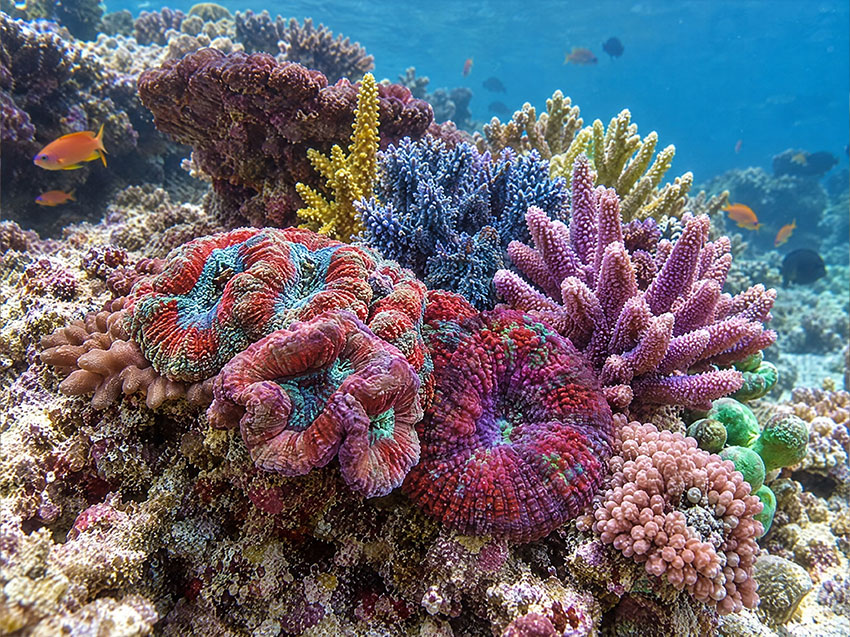
Corals are living marine animals made up of tiny soft-bodied polyps. Many reef-building corals live in colonies, build hard calcium carbonate skeletons and work with microscopic algae to create some of the most diverse habitats in the ocean.
 Learn how to interact

ABOUT CORAL
Corals are marine invertebrates in the phylum Cnidaria and class Anthozoa, making them relatives of sea anemones and jellyfish. What looks like one coral is often actually a colony containing hundreds or thousands of individual animals called polyps.
Each coral polyp has a mouth surrounded by tentacles. Those tentacles contain specialized stinging cells that help the coral capture plankton and other tiny food from the surrounding water.
Many hard, reef-building corals create skeletons made of calcium carbonate. As generations of coral polyps grow and build on older skeletons, these structures can slowly develop into massive coral reefs.
Many reef-building corals also have a remarkable partnership with microscopic photosynthetic algae living inside their tissues. The algae use sunlight to make food and provide nutrients to the coral. In return, the coral gives the algae a protected place to live.
Care & Conservation
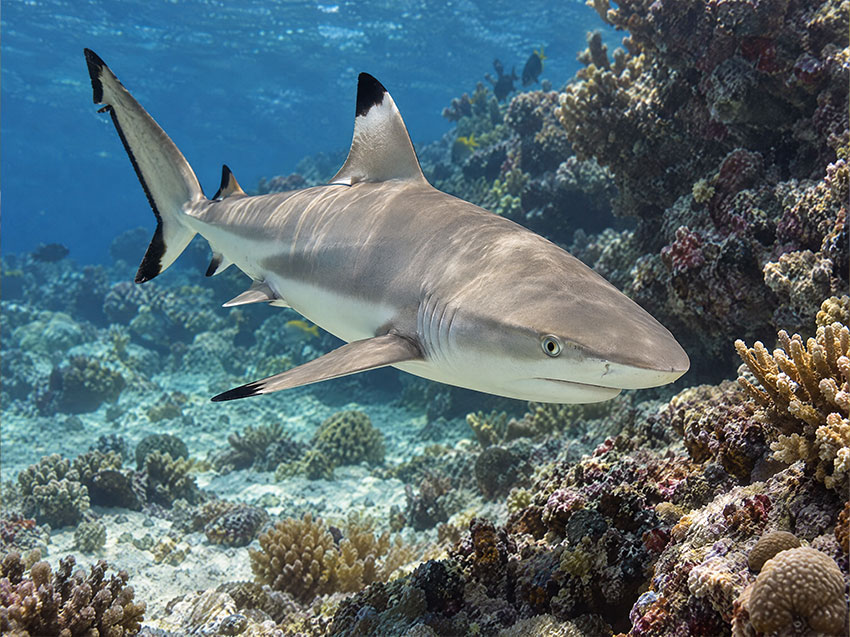
Coral conservation status varies widely by species, but reefs around the world face pressure from unusually warm ocean temperatures, coral bleaching, pollution, ocean acidification, disease and physical damage. Protecting clean water and healthy reef habitat gives coral colonies a better opportunity to survive and recover while supporting the enormous variety of marine animals that depend on reefs.
Mon-Sat 11AM-7PM Sun 12PM-6PM

PERSON!
Visit Layton Aquarium & Wildlife Encounters and discover living coral and reef life up close.